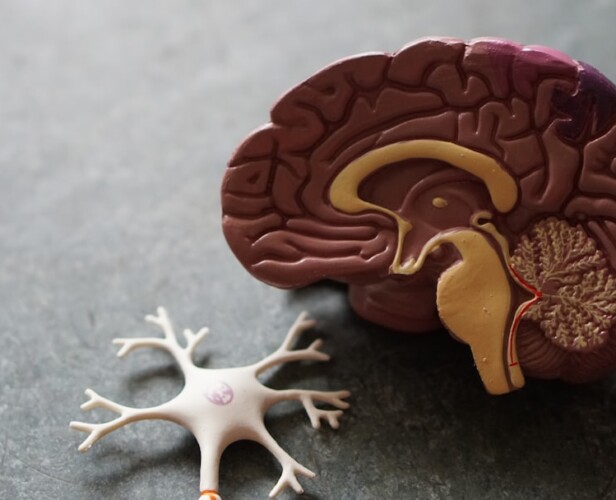
Alcohol withdrawal can lead to seizures due to the neurobiological effects of alcohol on the central nervous system. When someone who has been drinking heavily suddenly stops, the brain’s chemical balance is disrupted, often resulting in dangerous withdrawal symptoms, including seizures. Understanding the mechanisms behind this phenomenon is crucial for effective treatment and management.
What Causes Alcohol Withdrawal Seizures?
The primary cause of seizures during alcohol withdrawal is the brain’s adaptation to chronic alcohol exposure. As individuals consume alcohol over extended periods, their brain adjusts by decreasing its own production of certain neurotransmitters. This adjustment leads to a state of dependency. When alcohol is suddenly removed, the brain experiences a hyperexcitable state, which can result in seizures.
The Role of GABA and Glutamate
Two critical neurotransmitters play a significant role in alcohol withdrawal seizures: Gamma-aminobutyric acid (GABA) and glutamate.
- GABA: This neurotransmitter inhibits neuronal activity. Chronic alcohol consumption enhances GABAergic activity, leading to decreased neuronal excitability.
- Glutamate: In contrast, glutamate is an excitatory neurotransmitter. Alcohol inhibits glutamate release, reducing its overall activity in the brain.
When alcohol is withdrawn, the sudden reduction in GABA leads to increased neuronal firing. Simultaneously, the overactive glutamate system contributes to heightened excitability, significantly increasing the risk of seizures.
Types of Seizures Associated with Alcohol Withdrawal
Seizures due to alcohol withdrawal generally manifest as generalized tonic-clonic seizures, but other forms may also occur. Understanding these types can aid in recognition and response.
Generalized Tonic-Clonic Seizures
- Characterized by loss of consciousness and muscle rigidity.
- Followed by rhythmic jerking movements of the arms and legs.
- Typically last from 1 to 3 minutes, though longer durations can occur.
Focal Seizures
- Occur in one part of the brain.
- Can manifest as twitching or unusual sensations.
- May progress to generalized seizures.
Risk Factors for Seizures During Alcohol Withdrawal
Identifying individuals at higher risk for withdrawal seizures is critical for prevention and early intervention. Several risk factors include:
- History of Seizures: Individuals with a previous history of alcohol-related seizures are at greater risk.
- Duration and Severity of Alcohol Use: Longer and more severe histories of alcohol use increase seizure risk.
- Concurrent Medical Conditions: Conditions like liver disease may exacerbate withdrawal severity.
- Previous Withdrawal Attempts: Those with a history of multiple withdrawal attempts face heightened risk.
Symptoms of Alcohol Withdrawal
A variety of symptoms can signal the onset of alcohol withdrawal, with seizures being one of the most dangerous manifestations. Recognizing these symptoms can prompt timely medical intervention.
Common Symptoms
- Anxiety and agitation
- Nausea and vomiting
- Shaking or tremors
- Sweating and increased heart rate
- Hallucinations
Severity Spectrum
Withdrawal symptoms can be categorized based on their severity:
- Mild: Anxiety, insomnia, nausea.
- Moderate: Increased heart rate, sweating, hand tremors.
- Severe: Delirium tremens (DTs), hallucinations, seizures.
Management and Treatment of Alcohol Withdrawal Seizures
Effective management of alcohol withdrawal and associated seizures is essential to minimize complications. Treatment protocols focus on preventing seizures and ensuring patient safety.
Pharmacological Interventions
Medications are often employed to manage withdrawal symptoms and prevent seizures. Commonly used drugs include:
- Benzodiazepines: These medications, such as diazepam and lorazepam, are first-line treatments for managing alcohol withdrawal symptoms and preventing seizures.
- Anticonvulsants: Medications like phenytoin and valproate may be used if seizures occur.
- Thiamine: Administering thiamine (Vitamin B1) prevents Wernicke-Korsakoff syndrome, a complication of chronic alcohol use.
Non-Pharmacological Strategies
- Monitoring: Continuous monitoring in a medical setting is essential during the withdrawal phase.
- Supportive Care: Providing fluids, nutrition, and emotional support aids in recovery.
- Education: Informing patients about the risks associated with alcohol withdrawal promotes better adherence to treatment.
Prevention of Alcohol Withdrawal Seizures
Preventing seizures during alcohol withdrawal is possible through proper planning and intervention. Key strategies include:
Gradual Reduction of Alcohol
Individuals looking to quit drinking should ideally taper their alcohol consumption under medical supervision. This approach helps mitigate withdrawal symptoms, reducing seizure risk.
Seek Professional Help
Engaging with healthcare professionals who specialize in addiction can provide structured support and resources for managing withdrawal effectively. Inpatient or outpatient programs may be appropriate based on individual circumstances.
The Importance of Long-Term Recovery
While addressing immediate withdrawal concerns, focusing on long-term recovery is vital. Maintaining sobriety diminishes the risk of future seizures and promotes overall health.
Building a Support System
- Therapy: Engaging in therapies, such as cognitive-behavioral therapy (CBT), can address underlying issues.
- Support Groups: Joining organizations like Alcoholics Anonymous (AA) offers community support.
- Healthy Lifestyle Choices: Incorporating exercise, proper nutrition, and stress-reduction techniques aids long-term recovery.
Conclusion
Understanding why alcohol withdrawal causes seizures is essential for anyone affected by alcohol use disorder. With medical intervention, appropriate treatment, and a focus on