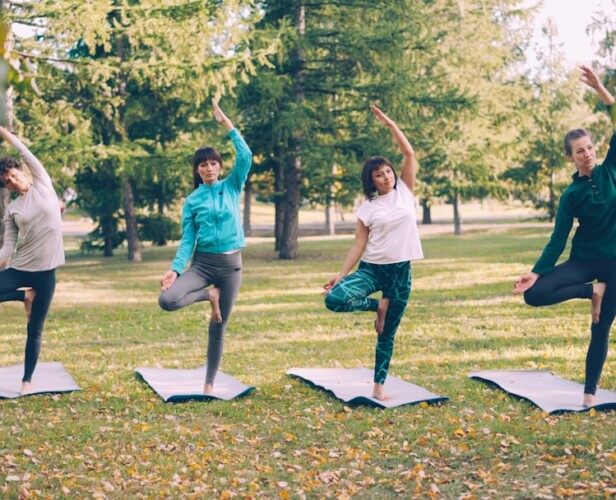
Regular exercise is vital for maintaining a healthy lifestyle. It enhances physical fitness, mental health, and overall quality of life. By integrating consistent exercise into your routine, you can improve your well-being and reduce the risk of chronic diseases. This blog explores the importance of regular exercise and how it contributes to a healthier lifestyle.
Understanding Regular Exercise
Regular exercise refers to physical activities performed at least 150 minutes per week for adults. This includes a mix of aerobic activities and strength training exercises that enhance cardiovascular health and build muscle. To establish a balanced exercise routine, one should consider various types of workouts, which will be discussed below.
Types of Exercises for a Healthy Lifestyle
Incorporating different forms of exercise can maximize benefits and keep routines enjoyable. Here are the main types:
Aerobic Exercise
Aerobic exercise strengthens the heart and lungs. Engage in these activities for at least 150 minutes each week:
- Running or jogging
- Swimming
- Cycling
- Dancing
- Brisk walking
Strength Training
Strength training builds and maintains muscle mass. Include strength training exercises at least twice weekly:
- Weight lifting
- Bodyweight exercises (e.g., push-ups, squats)
- Resistance band workouts
- Functional training (e.g., kettlebell exercises)
Flexibility and Balance Exercises
Flexibility and balance exercises enhance mobility and reduce injury risk. Incorporate them regularly:
- Yoga
- Pilates
- Stretching exercises
- Tai Chi
Benefits of Regular Exercise
Engaging in regular exercise offers numerous benefits that positively affect both physical and mental health.
Physical Health Benefits
Regular exercise significantly improves your physical health. Consider the following:
- Weight Management: Regular workouts help burn calories and maintain a healthy weight.
- Improved Cardiovascular Health: Aerobic exercises strengthen the heart and lower blood pressure.
- Increased Muscle Strength: Strength training enhances muscle mass, improving metabolism.
- Enhanced Bone Density: Weight-bearing exercises boost bone density and reduce the risk of osteoporosis.
- Chronic Disease Prevention: Regular physical activity reduces the risk of diseases like diabetes, heart disease, and some cancers.
Mental Health Benefits
Exercise also plays a significant role in enhancing mental health. Key benefits include:
- Reduced Stress: Physical activity releases endorphins, which help alleviate stress.
- Improved Mood: Regular exercise can reduce symptoms of anxiety and depression.
- Enhanced Cognitive Function: Exercise promotes brain health, improving memory and focus.
- Increased Self-Esteem: Achieving fitness goals boosts confidence and self-worth.
Social Benefits of Exercise
Participating in group activities fosters social interaction and connection. Consider these aspects:
- Building Community: Group classes or sports teams create a sense of belonging.
- Accountability: Exercising with friends encourages consistency and motivation.
- Shared Goals: Working towards common fitness objectives strengthens relationships.
How to Incorporate Exercise into Your Daily Routine
To enjoy the extensive benefits of regular exercise, follow these actionable steps to incorporate it into your daily life:
Set Realistic Goals
Establish achievable fitness goals to stay motivated:
- Define specific targets, such as exercising three times per week.
- Start with manageable durations, gradually increasing over time.
- Track progress with a fitness journal or app.
Create a Schedule
Consistency is crucial for developing a lasting exercise habit. To create a schedule:
- Choose specific days and times dedicated to workouts.
- Consider your peak energy levels when planning sessions.
- Include rest days to allow for recovery.
Find Activities You Enjoy
Engaging in enjoyable activities increases adherence to exercise:
- Explore different classes, such as dance or martial arts.
- Join a local sports team or club.
- Combine socializing with exercise through group workouts.
Mix It Up
Variety prevents boredom and promotes overall fitness:
- Alternate between cardio, strength training, and flexibility exercises.
- Try new activities each month to discover preferences.
- Incorporate seasonal activities, like hiking in the summer or skiing in the winter.
Overcoming Barriers to Regular Exercise
Identifying and addressing barriers can help maintain a consistent exercise routine. Here are common obstacles and strategies to overcome them:
Lack of Time
If time constraint is an issue, consider these solutions:
- Schedule shorter, high-intensity workouts (20-30 minutes).
- Incorporate physical activity into daily tasks, such as walking during breaks.
- Opt for home workouts to save travel time.
Motivation Issues
To enhance motivation, try the following:
- Set clear and achievable fitness goals.
- Partner with a friend for accountability and support.
- Reward yourself for reaching milestones.
Physical Limitations
To work around physical limitations, consider these options:
- Consult a healthcare professional for personalized exercise recommendations.
- Select low-impact activities, such as swimming or yoga.
- Gradually increase intensity based on your comfort level.
Conclusion
Regular exercise is essential for a