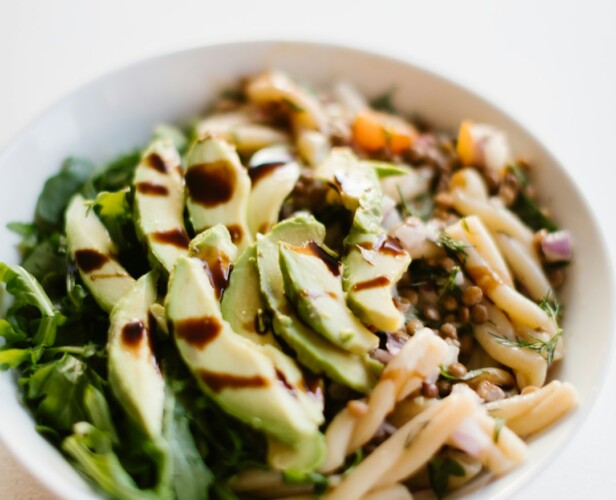
Healthy eating habits are essential for achieving a better life. The food we consume directly affects our physical health, mental well-being, and overall quality of life. In this blog, we will explore the importance of healthy eating habits and how they contribute to a thriving lifestyle. By establishing a solid foundation through nutrition, you can enhance your energy levels, protect against disease, and promote longevity.
Why Healthy Eating Matters
Healthy eating is not just about weight control; it encompasses various aspects of health and wellness. Here are key reasons why maintaining healthy eating habits is crucial:
- Supports Physical Health: A balanced diet provides essential nutrients that support bodily functions.
- Enhances Mental Well-Being: Foods rich in vitamins and minerals can improve mood and cognitive function.
- Prevents Chronic Diseases: Healthy eating reduces the risk of conditions such as diabetes, heart disease, and obesity.
- Promotes Longevity: A nutritious diet can lead to a longer, healthier life.
Understanding Nutritional Needs
To establish effective healthy eating habits, it’s vital to understand your nutritional needs. These can vary based on several factors, including age, gender, activity level, and health status.
Key Nutrients for Optimal Health
To achieve a well-rounded diet, focus on incorporating the following key nutrients:
- Macronutrients: Carbohydrates, proteins, and fats provide the energy necessary for daily activities.
- Vitamins: Essential for various bodily processes; for instance, Vitamin C supports the immune system.
- Minerals: Minerals like calcium and iron are crucial for bone health and oxygen transport.
- Fiber: Aids in digestion and helps maintain stable blood sugar levels.
Daily Recommended Intakes
Understanding how much of each nutrient you need can guide you toward healthier eating. For example:
- Adults should aim for at least 25-30 grams of fiber per day.
- Women should consume around 18 mg of iron daily, while men need approximately 8 mg.
- Aim for five servings of fruits and vegetables daily to meet vitamin and mineral needs.
Building Healthy Eating Habits
Creating healthy eating habits involves intentional choices. Here are actionable steps to improve your diet:
Plan Your Meals
Meal planning helps you make informed decisions about nutrition.
- List out meals for the week, including breakfast, lunch, and dinner.
- Incorporate a variety of food groups to ensure balanced nutrition.
- Prepare shopping lists to avoid impulse purchases at the grocery store.
Practice Mindful Eating
Mindful eating encourages awareness and appreciation of food choices.
- Focus on the taste, texture, and aroma of your food.
- Avoid distractions such as screens when eating.
- Savor each bite, which can help with portion control.
The Impact of Processed Foods
Minimizing processed foods is vital for healthy eating. Processed foods often contain high levels of sugar, sodium, and unhealthy fats.
Identifying Processed Foods
Recognize common processed foods to limit in your diet:
- Fast food items, such as burgers and fries.
- Packaged snacks like chips and candy bars.
- Sugary beverages, including sodas and energy drinks.
Choosing Whole Foods
Opt for whole foods to maximize nutrients and minimize additives:
- Fresh fruits and vegetables.
- Whole grains like brown rice and quinoa.
- Nuts and seeds, providing healthy fats and protein.
The Role of Hydration
Hydration is a crucial component of healthy eating. Drinking adequate water aids digestion, absorption, and transportation of nutrients.
Daily Water Intake Recommendations
To maintain hydration, consider the following guidelines:
- Men should aim for about 3.7 liters (or 13 cups) of total beverage intake per day.
- Women should target approximately 2.7 liters (or 9 cups) of beverages daily.
Signs of Dehydration
Be aware of symptoms indicating dehydration:
- Thirst and dry mouth.
- Fatigue or dizziness.
- Decreased urine output.
Overcoming Barriers to Healthy Eating
Identifying and addressing barriers can facilitate better eating habits. Common challenges include time constraints, budget limitations, and lack of knowledge.
Strategies to Overcome Barriers
Consider these approaches to tackle healthy eating obstacles:
- Prepare bulk meals on weekends for easy access during busy weeks.
- Explore budget-friendly healthy recipes and meal ideas.
- Educate yourself through workshops, websites, and nutrition books.
Conclusion: The Long-Term Benefits of Healthy Eating Habits
Establishing and maintaining healthy eating habits plays a significant role in enhancing life quality. By investing time and effort into understanding nutrition and making informed food choices, you can:
- Boost energy levels and productivity.
- Improve physical and mental health.
- Reduce the risk of chronic diseases.
- Enjoy a longer, fulfilling life.
Embrace the journey towards healthy eating habits today for a better tomorrow. With dedication and commitment, you can transform your dietary practices and reap the numerous benefits of good nutrition.