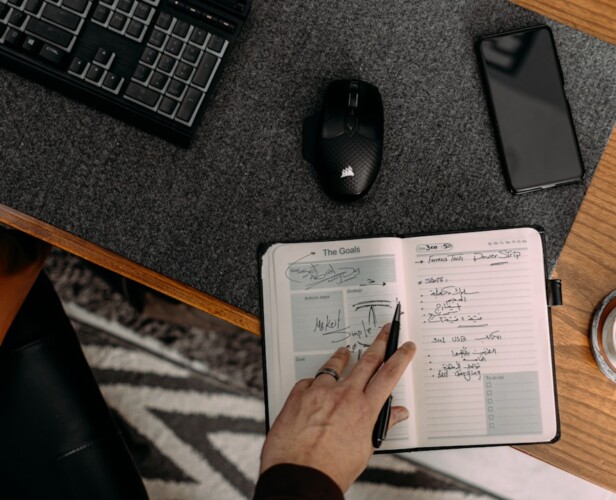
Minimalist living is not just a trend but a lifestyle choice that has gained immense popularity in recent years. This approach focuses on simplifying one’s life by reducing physical possessions and mental clutter, allowing individuals to concentrate on what truly matters. In this blog post, we will explore the benefits of minimalist living, how to transition to this lifestyle, and answer common questions about adopting minimalism. Is it time for you to embrace minimalist living? Let’s find out.
Benefits of Minimalist Living
Embracing a minimalist lifestyle offers several advantages that can enhance both mental and emotional well-being. Here are some of the primary benefits:
1. Reduced Stress and Anxiety
To reduce stress and anxiety, decluttering your environment is essential. A chaotic space often leads to a chaotic mind. Studies show that individuals living in cluttered environments face increased levels of cortisol, the stress hormone. By adopting minimalism, you can create a tranquil space that promotes relaxation.
2. Increased Financial Freedom
Minimalist living encourages frugality and intentional spending, leading to financial freedom. By focusing on necessities and eliminating impulse buys, you can save money. For instance, downsizing your possessions typically means fewer expenses related to maintenance and storage.
3. Enhanced Focus and Productivity
To enhance focus and productivity, remove distractions from your daily life. Minimalism promotes a streamlined approach, where you prioritize tasks that matter. According to research, individuals in minimalistic environments report improved concentration and efficiency.
4. Greater Appreciation for Experiences
Minimalism shifts the focus from material possessions to experiences. Engaging in activities such as travel, learning new skills, or spending quality time with loved ones can provide deeper satisfaction than acquiring new items. Studies indicate that experiences contribute more significantly to long-term happiness than possessions.
5. Simplicity in Decision Making
Embracing minimalism simplifies decision-making processes. With fewer choices to consider, you can make quicker decisions without feeling overwhelmed. This clarity extends to various aspects of life, from wardrobe selections to daily tasks.
How to Transition to Minimalist Living
Transitioning to minimalist living requires a thoughtful approach. Here’s how to start your journey:
Step 1: Assess Your Belongings
To assess your belongings, categorize items into three groups: keep, donate, and discard. Examine each item critically and ask yourself:
- Do I use this item regularly?
- Does this item hold sentimental value?
- Would I buy this item again if I were in a store?
Step 2: Set Clear Goals
To set clear goals for your minimalist journey, outline specific objectives. Examples include:
- Reduce household items by 50% within six months.
- Spend no more than $100 on non-essential items each month.
- Set aside one weekend monthly for decluttering activities.
Step 3: Create a Decluttering Schedule
To create a decluttering schedule, allocate time for each room in your home. Breaking the process into manageable chunks prevents overwhelm. You could dedicate:
- One day for the living room
- One day for the kitchen
- One day for clothes and accessories
Step 4: Adopt Minimalist Habits
To adopt minimalist habits, integrate intentional practices into your daily routine. Some effective habits include:
- Implement a “one in, one out” rule for new purchases.
- Regularly review and reassess your belongings.
- Limit social media consumption to reduce digital clutter.
Step 5: Surround Yourself With Supportive Community
To surround yourself with a supportive community, seek out groups or online forums dedicated to minimalism. Connecting with like-minded individuals can provide motivation and inspiration. Consider joining:
- Local minimalism meet-up groups.
- Online forums or social media groups focused on minimalism.
- Workshops or seminars on minimalist living.
Common Misconceptions About Minimalist Living
Several misconceptions can deter individuals from embracing minimalism. Understanding these can help clarify the lifestyle:
Myth 1: Minimalism Means Living With Nothing
The first myth is that minimalism is synonymous with having no possessions. In reality, minimalism encourages keeping only what adds value to your life.
Myth 2: Minimalism is Only for the Wealthy
Another misconception is that minimalism is only accessible to wealthy individuals. Minimalism can benefit anyone, regardless of financial status, as it emphasizes valuing experiences over material goods.
Myth 3: It Requires an Extreme Lifestyle Change
Some believe that minimalism demands a radical transformation. However, minimalism can be adopted gradually, allowing for a personalized approach that suits individual preferences.
Frequently Asked Questions About Minimalist Living
What Are the First Steps to Minimalism?
The first steps include assessing your belongings, setting decluttering goals, and creating a plan to reduce possessions gradually.
Can Minimalism Improve My Mental Health?
Yes, studies suggest that less clutter can lead to decreased stress and anxiety levels, contributing to overall improved mental health.
How Do I Maintain a Minimalist Lifestyle?
To maintain a minimalist lifestyle, continuously evaluate your possessions and make conscious purchasing decisions. Implementing routines and habits designed to minimize excess is essential.
Conclusion
In conclusion, embracing minimalist living is a viable option for anyone looking to improve their quality of life. The benefits, including reduced stress, increased financial savings, enhanced focus, and a greater appreciation for experiences, make minimalism an attractive lifestyle choice. If you’re considering this path, remember to proceed at your own pace. By implementing the strategies outlined in this article, you can simplify your life and enjoy the many rewards that minimalism has to offer. So, is it time to embrace minimalist living? The answer lies in your willingness to reflect on what truly matters.