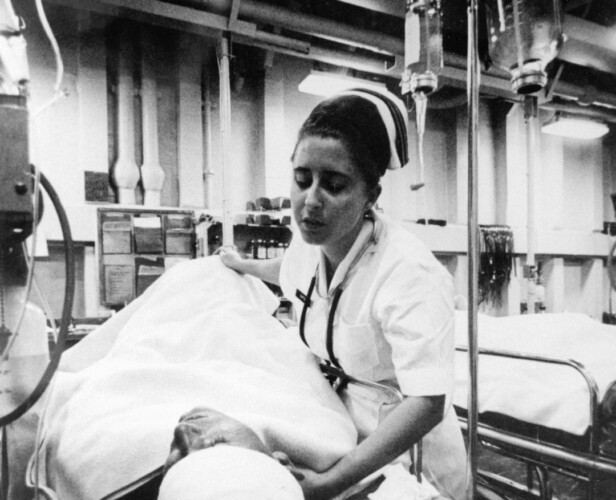
Inpatient rehab for painkillers is a structured and intensive treatment program designed to help individuals struggling with opioid addiction. This guide will provide a comprehensive overview of what inpatient rehabilitation involves, the benefits it offers, the treatment process, and essential considerations for those seeking help.
Understanding Inpatient Rehab for Painkillers
Inpatient rehab for painkillers focuses on providing a safe environment where individuals can detox from opioids and receive therapeutic support. It is crucial for those who have developed a dependency on pain medications and need specialized care to overcome their addiction.
What is Inpatient Rehabilitation?
Inpatient rehabilitation refers to a live-in treatment program where patients stay at a facility 24/7. This environment is conducive to healing as it removes individuals from triggers and offers constant support from healthcare professionals.
Who Needs Inpatient Rehab for Painkillers?
Individuals may require inpatient rehab if they exhibit the following:
- Severe physical dependence on painkillers such as oxycodone or hydrocodone.
- Repeated unsuccessful attempts to quit using pain medication.
- Co-occurring mental health disorders alongside substance abuse.
- Health complications due to prolonged use of painkillers.
- History of relapses after previous treatments.
Benefits of Inpatient Rehab for Painkillers
Inpatient rehabilitation provides numerous benefits that can significantly enhance recovery outcomes.
1. Safe Detoxification
To begin the recovery process, patients undergo detoxification, where they are medically supervised as they stop taking painkillers. This process mitigates withdrawal symptoms and can last from several days to weeks, depending on the severity of the addiction.
2. Structured Environment
A structured daily routine in inpatient rehab includes therapy sessions, medical evaluations, and group support meetings. This structure helps in developing productive habits and ensuring accountability.
3. Access to Medical Professionals
Patients in an inpatient setting have continuous access to a multidisciplinary team of specialists, including:
- Doctors
- Nurses
- Counselors
- Psychiatrists
4. Therapeutic Interventions
Various therapeutic interventions are offered in inpatient rehab, which may include:
- Cognitive Behavioral Therapy (CBT)
- Motivational Interviewing
- Group Therapy
- Individual counseling
5. Supportive Community
Being surrounded by others undergoing similar challenges fosters a sense of community, which can be essential in recovery. Sharing experiences and support can alleviate feelings of isolation.
The Inpatient Treatment Process
The inpatient treatment process typically follows several stages:
1. Assessment and Evaluation
The first step involves a thorough assessment to understand the individual’s addiction history, physical health, and psychological state. This evaluation guides the development of a personalized treatment plan.
2. Detoxification
During detox, patients may experience withdrawal symptoms, which could include:
- Nausea
- Anxiety
- Tremors
- Muscle aches
Medical staff monitor and manage these symptoms to ensure safety and comfort.
3. Therapy and Counseling
After detox, patients participate in various therapeutic sessions aimed at addressing the psychological aspects of addiction. These therapies are designed to:
- Identify triggers for painkiller use
- Develop coping mechanisms
- Enhance emotional regulation skills
4. Aftercare Planning
Before discharge, an aftercare plan is crafted to provide ongoing support. This plan may include:
- Outpatient therapy sessions
- Support group connections such as Narcotics Anonymous (NA)
- Continuing medical supervision as needed
Questions to Consider When Choosing Inpatient Rehab
When selecting an inpatient rehab facility for painkillers, consider the following questions:
1. Is the facility accredited?
Ensure that the rehab center is accredited by a reputable organization, indicating that it meets specific standards of care.
2. What types of therapies are offered?
Inquire about the various types of therapy available and whether they align with your personal needs and preferences.
3. What is the staff-to-patient ratio?
A lower staff-to-patient ratio generally allows for more personalized attention and care.
4. Does the facility provide aftercare services?
Aftercare services are crucial for long-term recovery. Check if the facility offers comprehensive aftercare options.
5. What is the treatment length?
Understanding the average duration of the program can help set realistic expectations for your recovery journey.
Conclusion
Inpatient rehab for painkillers is an effective option for those struggling with opioid addiction. Through a combination of medical supervision, therapeutic interventions, and supportive communities, individuals can find a path to recovery. If you or someone you know is battling painkiller addiction, seeking professional help is a crucial first step toward a healthier future.