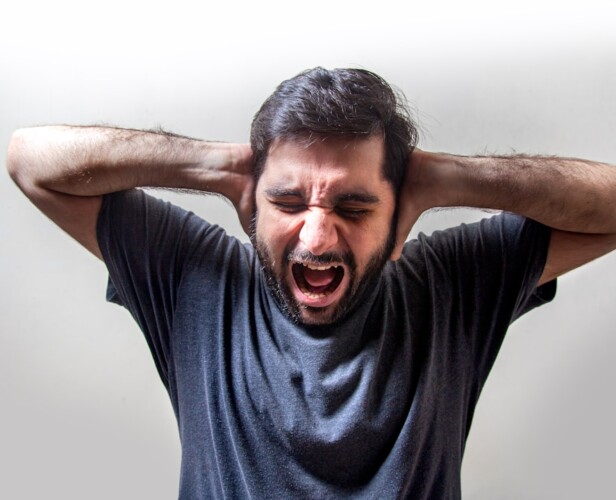
Withdrawal symptoms can be challenging and uncomfortable, often occurring when an individual reduces or stops using a substance they have become dependent on. Understanding how to help withdrawal symptoms is essential for those undergoing this transition, enabling them to manage discomfort effectively. This blog will explore practical methods to alleviate withdrawal symptoms, ensuring a smoother recovery process.
Understanding Withdrawal Symptoms
To help withdrawal symptoms effectively, it is crucial first to understand what they are. Withdrawal symptoms vary based on the substance used but commonly include:
- Anxiety and irritability
- Nausea and vomiting
- Muscle aches and pains
- Insomnia and sleep disturbances
- Cravings for the substance
These symptoms occur as the body adjusts to functioning without the substance, highlighting the necessity for supportive strategies during this period.
How to Help Withdrawal Symptoms
1. Seek Professional Support
To help withdrawal symptoms, seeking professional support is vital. Medical professionals can provide guidance tailored to the individual’s needs.
- Consult a healthcare provider: Discuss your situation openly for personalized advice.
- Consider detox programs: These structured environments offer medical supervision.
- Therapy options: Engage in cognitive-behavioral therapy (CBT) to address underlying issues.
2. Hydration and Nutrition
To help withdrawal symptoms, maintaining hydration and nutrition is critical. Proper intake of fluids and nutrients supports bodily functions during withdrawal.
- Drink plenty of water: Aim for at least 8-10 glasses daily to stay hydrated.
- Consume balanced meals: Include fruits, vegetables, proteins, and whole grains.
- Avoid caffeine and sugar: These can exacerbate anxiety and insomnia.
3. Physical Activity
To help withdrawal symptoms, engaging in regular physical activity can significantly improve mood and reduce anxiety.
- Start with light exercises: Walking or yoga can ease muscle tension.
- Gradually increase intensity: Consider aerobic activities like jogging or cycling.
- Set achievable fitness goals: Aim for consistency over intensity.
4. Implement Mindfulness Practices
To help withdrawal symptoms, incorporating mindfulness practices can enhance mental resilience.
- Meditation: Set aside time daily for meditation to promote relaxation.
- Deep breathing exercises: Practice deep breathing techniques to alleviate stress.
- Journaling: Keep a journal to express feelings and track progress.
5. Build a Support Network
To help withdrawal symptoms, surrounding yourself with supportive individuals is essential. A solid support network can offer emotional encouragement during this difficult time.
- Join support groups: Participate in local or online groups to share experiences.
- Reach out to friends and family: Communicate openly about your needs.
- Engage in community activities: Find local programs to foster connections.
Alternative Methods to Alleviate Withdrawal Symptoms
1. Herbal Remedies
To help withdrawal symptoms, certain herbal remedies may provide relief. However, consulting with a healthcare professional before starting any supplements is important.
- Valerian root: Known for its calming effects, it may aid sleep.
- Kava: Can help reduce anxiety levels.
- Gingko biloba: May enhance cognitive function and reduce withdrawal severity.
2. Over-the-Counter Medications
To help withdrawal symptoms, over-the-counter medications can be helpful for managing specific symptoms. Always consult with a healthcare provider before use.
- Anti-nausea medications: Products like meclizine can ease nausea.
- Pain relievers: Non-steroidal anti-inflammatory drugs (NSAIDs) can help manage muscle pain.
- Sleep aids: Melatonin may assist with sleep disturbances.
3. Create a Routine
To help withdrawal symptoms, establishing a daily routine provides structure and stability. This can minimize anxiety and distractions while fostering healthy habits.
- Wake up and sleep at the same time: Consistency helps regulate sleep patterns.
- Schedule meals and exercise: Regular intervals support overall well-being.
- Incorporate leisure activities: Make time for hobbies to promote relaxation and joy.
Recognizing the Need for Further Help
To help withdrawal symptoms, it’s essential to recognize when professional intervention is necessary. If symptoms become severe or unmanageable, contact a healthcare provider immediately.
- Experiencing intense cravings: If cravings interfere with daily life, seek assistance.
- Developing severe psychological symptoms: Reporting severe anxiety, depression, or suicidal thoughts is crucial.
- Physical symptoms worsening: If symptoms escalate or new health issues arise, immediate care is needed.
Conclusion: A Path to Recovery
Helping withdrawal symptoms requires a multi-faceted approach involving professional support, lifestyle changes, and coping strategies. By implementing practices such as maintaining hydration, engaging in physical activities, and building a supportive network, individuals can navigate the challenges of withdrawal more effectively. Remember, recovery is a journey, and every step taken towards managing withdrawal symptoms is significant.