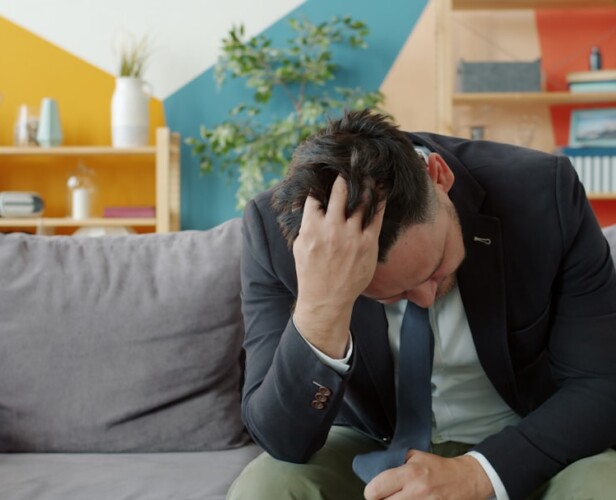
Detoxing from opioids can be a challenging journey, but with the right approach and support, it is possible to do so safely at home. This guide will provide you with essential steps to detox from opioids at home, focusing on methods that prioritize safety and effectiveness. Understanding the process, managing symptoms, and implementing lifestyle changes are key components of this journey.
Understanding Opioid Withdrawal
To detox from opioids at home, it’s crucial to understand opioid withdrawal. Symptoms may vary in intensity and duration based on several factors, including the specific opioid used, the duration of use, and individual health conditions.
Common Withdrawal Symptoms
Withdrawal symptoms typically begin within 6 to 12 hours after the last dose and can last for several days. Common symptoms include:
- Muscle aches
- Insomnia
- Anxiety and agitation
- Nausea and vomiting
- Diarrhea
- Cold flashes and sweating
- Increased heart rate
Preparing for Home Detox
Preparation is key when planning to detox from opioids at home. To ensure a smoother experience, consider the following steps:
Create a Supportive Environment
To detox from opioids at home effectively:
- Inform close family or friends of your plans for support.
- Enhance your living space by removing any triggers, such as leftover medications associated with opioid use.
- Have basic supplies ready, such as over-the-counter medications to manage withdrawal symptoms.
Consult a Healthcare Professional
Before beginning your detox, consult a healthcare provider. They can help guide your plan, recommend adjunct therapies, or prescribe medications to ease withdrawal symptoms.
Detoxification Process at Home
The process of detoxing from opioids at home involves multiple stages. Follow these structured steps for a safer experience:
Step 1: Tapering Off Opioids
To minimize withdrawal symptoms, taper down your dosage before fully stopping. This gradual reduction allows your body to adjust to lower levels of the substance.
Step 2: Managing Withdrawal Symptoms
Managing symptoms during detox is essential for success. Here are effective strategies:
- Hydration: Drink plenty of fluids to stay hydrated. Aim for water, herbal teas, and electrolyte solutions.
- Nutrition: Maintain a balanced diet rich in fruits, vegetables, lean proteins, and whole grains to help your body recover.
- Exercise: Engage in light physical activity, like walking or stretching, to improve mood and reduce anxiety.
- Sleep Hygiene: Practice good sleep habits to combat insomnia. Create a relaxing bedtime routine and maintain a consistent sleep schedule.
Incorporating Alternative Therapies
In addition to traditional methods, alternative therapies can support your detox process.
Mindfulness and Meditation
Mindfulness and meditation can significantly reduce stress and anxiety during detox. Try integrating:
- Breathing exercises
- Guided meditations
- Yoga sessions
Herbal Supplements
Certain herbal supplements may ease withdrawal symptoms. Some options include:
- Ginger: Helps with nausea.
- Valerian Root: Supports sleep and relaxation.
- Chamomile: Aids in calming nerves.
Post-Detox Considerations
Once you have successfully completed your detox, focus on long-term recovery strategies to prevent relapse.
Establish a Support Network
Engaging with a support group or counseling service is vital for ongoing recovery. Here are some options:
- Local recovery meetings (like NA or AA)
- Online support forums
- Therapeutic counseling sessions
Continuous Self-Care
Incorporate self-care routines into your daily life post-detox. Regular activities should include:
- Sustaining a healthy lifestyle through exercise and nutrition
- Practicing mindfulness or other stress-reducing techniques
- Setting achievable goals for personal growth
Recognizing the Right Time to Seek Help
If withdrawal symptoms become unbearable or dangerous, seeking professional help is crucial. Signs that indicate you should seek immediate assistance include:
- Severe depression or suicidal thoughts
- Persistent vomiting and dehydration
- Inability to manage withdrawal symptoms at home
Conclusion
Detoxing from opioids at home requires determination, preparation, and ongoing support. By understanding withdrawal symptoms, creating a supportive environment, and incorporating lifestyle changes, you can navigate this challenging process successfully. Always remember that seeking professional help is a wise choice if at any point you feel overwhelmed. With the right mindset and resources, recovery from opioid dependence is possible.