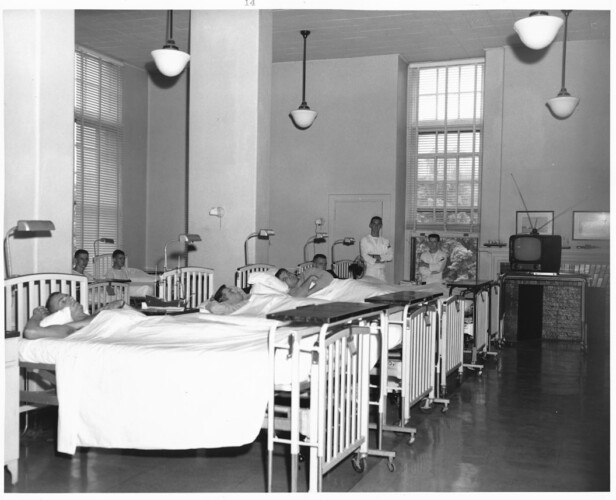
Understanding the various rehabilitation options available for people with disabilities is crucial for improving their quality of life and independence. Rehabilitation can encompass a range of services and methods designed to help individuals regain, improve, or maintain their functional abilities following an injury or to accommodate their disabilities. This article explores the various rehab options available for people with disabilities.
Types of Rehabilitation Options
There are several types of rehabilitation options available, each tailored to the specific needs of individuals with disabilities. Below are some of the primary categories:
1. Physical Rehabilitation
Physical rehabilitation focuses on improving mobility and physical function through therapeutic exercises and physical interventions.
- Physical Therapy (PT): PT utilizes exercises, stretches, and manual therapy to enhance movement, strength, and flexibility.
- Occupational Therapy (OT): OT helps individuals develop skills required for daily living and working, often using adaptive techniques and tools.
- Recreation Therapy: This therapy uses leisure activities to improve physical, social, and emotional functioning.
2. Speech and Language Rehabilitation
Speech and language rehabilitation focuses on helping individuals with communication disorders to enhance their speaking, understanding, and swallowing abilities.
- Speech Therapy: Speech therapists work with individuals to improve articulation, fluency, and voice quality.
- Language Therapy: This involves working on comprehension and expression skills, especially for those who have experienced strokes or brain injuries.
- Swallowing Therapy: For individuals with swallowing difficulties, therapists provide techniques to safely swallow food and liquids.
Alternative Therapy Options
Some individuals may seek alternative therapies alongside traditional rehabilitation to enhance recovery.
1. Complementary Therapies
- Acupuncture: This ancient practice can relieve pain and promote overall wellness.
- Meditation and Mindfulness: Techniques in mindfulness can reduce stress and improve mental health.
- Yoga and Tai Chi: These practices promote physical activity, flexibility, and mental well-being through controlled movements and breathing.
2. Assistive Technology
Assistive technology refers to devices and software that help people with disabilities perform tasks that might otherwise be difficult or impossible. Examples include:
- Communication Aids: Devices such as speech-generating devices assist individuals with speech impairments.
- Mobility Aids: Wheelchairs, walkers, and prosthetics enhance mobility and independence.
- Adaptive Software: Programs designed for individuals with visual or cognitive impairments ensure accessibility to technology.
Vocational Rehabilitation
Vocational rehabilitation helps individuals with disabilities prepare for, find, and maintain employment. This process may include the following:
- Job Training Programs: These programs teach skills relevant to specific job markets.
- Resume Assistance: Professionals help individuals create strong resumes tailored to their skills and experiences.
- Workplace Accommodations: Employers may adapt job duties or environments to fit the needs of employees with disabilities.
Inpatient vs. Outpatient Rehabilitation
Rehabilitation services can be offered in various settings, including inpatient and outpatient facilities. Understanding these options can help individuals make informed decisions about their treatment plans.
Inpatient Rehabilitation
Inpatient rehabilitation involves staying in a facility where intensive therapy is provided. This option is suitable for individuals requiring 24-hour medical supervision, such as:
- Patients recovering from major surgeries.
- Individuals who have suffered strokes.
- Those with severe physical or neurological impairments.
Outpatient Rehabilitation
Outpatient rehabilitation allows individuals to receive therapy while living at home. Benefits include:
- Flexibility in scheduling appointments around personal commitments.
- A more comfortable recovery environment.
- Potential cost savings compared to inpatient care.
Support Groups and Counseling
Emotional and psychological support is vital during rehabilitation. Support groups and counseling options include:
- Peer Support Groups: These groups allow individuals to share experiences, challenges, and successes with others facing similar situations.
- Individual Counseling: Therapists provide one-on-one sessions to address personal emotional challenges and coping strategies.
- Family Counseling: Involving family members can enhance support systems and communication within families.
Choosing the Right Rehabilitation Option
When selecting a rehabilitation program, consider these factors:
- Type of Disability: Address the specific needs related to the disability.
- Goals of Rehabilitation: Define clear objectives such as improving mobility or enhancing communication skills.
- Availability of Services: Assess local resources and options to ensure access to required therapies.
- Personal Preferences: Consider individual comfort levels with specific therapies and settings.
Conclusion
Numerous rehabilitation options exist for people with disabilities, ranging from physical and occupational therapy to vocational training and assistive technologies. Understanding these varied approaches enables individuals and caregivers to make informed choices to enhance recovery, independence, and overall quality of life. Each person’s pathway to rehabilitation will differ; thus, customizing the approach to fit individual needs is essential for success.