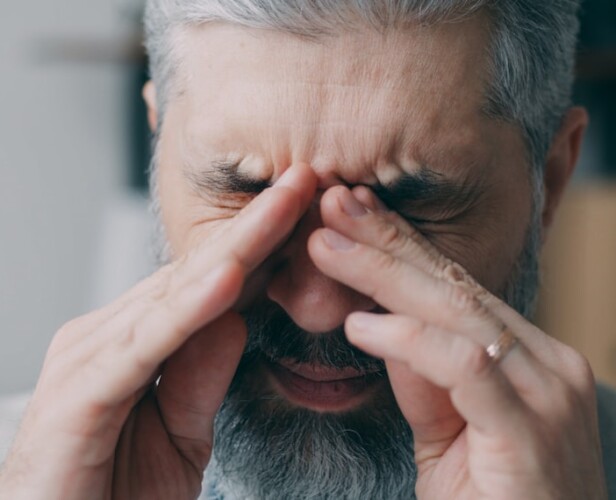
Understanding opioid addiction is crucial for identifying whether you or a loved one might be struggling with this serious issue. The signs can be subtle, and the path to addiction often begins innocently, making awareness vital. In this blog, we will explore the key questions surrounding opioid addiction, its symptoms, risk factors, and steps toward recovery.
What Are Opioids?
Opioids are a class of drugs that include prescription pain relievers and illegal substances. Common prescription opioids include:
- Hydrocodone (Vicodin)
- Oxycodone (OxyContin, Percocet)
- Codeine
- Morphine
- Fentanyl
These medications are primarily used to treat severe pain but can lead to addiction if misused.
How to Identify Opioid Addiction
If you are questioning your relationship with opioids, it’s essential to assess your usage and behavior. Here are some indicators that may suggest addiction:
Physical Signs of Addiction
- Increased tolerance to opioids, needing more to achieve the same effect.
- Withdrawal symptoms when not using opioids, such as nausea, sweating, and muscle pain.
- Frequent doctor’s visits or obtaining prescriptions from multiple doctors (doctor shopping).
Behavioral Changes
- Neglecting responsibilities at work, school, or home due to opioid use.
- Isolation from friends and family.
- Changes in social circles, spending time with those who use opioids.
Emotional Indicators
- Experiencing mood swings or heightened irritability without opioids.
- Using opioids to cope with stress or emotional pain.
- Feeling a strong urge or craving to use opioids.
Prevalence and Risk Factors for Opioid Addiction
Understanding who is most at risk for opioid addiction can help in prevention and early intervention. Some common risk factors include:
Demographics
- Age: Young adults aged 18-25 are at higher risk of developing an addiction.
- Gender: Males are statistically more likely to misuse opioids than females.
Personal History
- A personal or family history of substance abuse increases the risk.
- Having a mental health disorder, such as depression or anxiety, can contribute to opioid misuse.
Environmental Factors
- Living in an area where opioid prescriptions are prevalent increases exposure.
- Peer pressure from friends or family members who use opioids can normalize substance use.
How to Seek Help for Opioid Addiction
If you recognize the signs of opioid addiction in yourself or someone else, taking action is essential. Follow these steps to seek help:
1. Acknowledge the Issue
The first step to recovery is admitting there is a problem. Whether you are experiencing withdrawal symptoms or other signs of addiction, acknowledging them is crucial.
2. Consult a Healthcare Professional
Speak to a doctor or addiction specialist about your concerns. They can provide a proper assessment and recommend a treatment plan tailored to your needs.
3. Explore Treatment Options
Treatment plans for opioid addiction vary and may include:
- Medically-assisted detox to manage withdrawal symptoms.
- Cognitive-behavioral therapy (CBT) to address underlying mental health issues.
- Support groups like Narcotics Anonymous for community support.
4. Build a Support System
Surrounding yourself with supportive friends and family can significantly impact recovery. Consider joining support groups where individuals share similar experiences.
Preventing Opioid Addiction
Preventing opioid addiction is possible through education and responsible use. Here are effective strategies:
Responsible Use of Prescriptions
- Only take opioids as prescribed by a healthcare provider.
- Avoid combining opioids with alcohol or other drugs.
Educate Yourself and Others
Understanding the risks associated with opioids can help make informed decisions. Share knowledge with friends and family to promote awareness.
Explore Alternative Pain Management Techniques
Consider non-opioid medications and therapies, such as:
- Physical therapy for chronic pain.
- Acupuncture or massage therapy as alternative treatments.
- Non-opioid medications like ibuprofen or acetaminophen.
Conclusion
Opioid addiction is a serious issue that affects millions of individuals and their families. By recognizing the signs, understanding the risk factors, and seeking appropriate help, individuals can reclaim their lives from addiction. If you find yourself asking, “Am I addicted to opioids?”, consider evaluating your behaviors and consulting with a professional for guidance. Awareness, education, and support are pivotal on the journey to recovery.