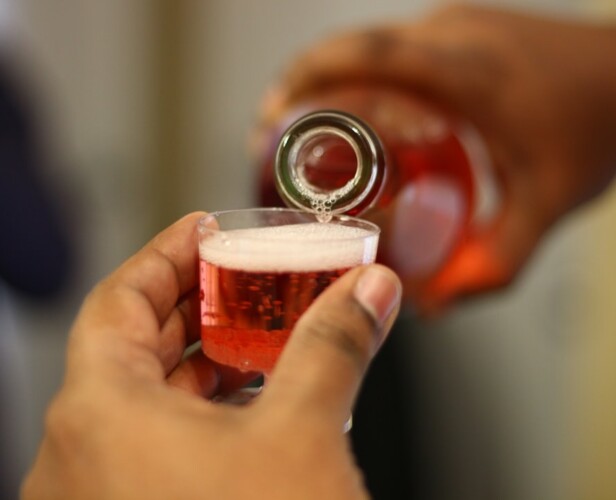
Detoxing your body from alcohol at home is a crucial step to restore health and well-being after alcohol consumption. It involves several strategies that can help manage withdrawal symptoms, eliminate toxins, and promote healing. This guide will provide you with effective methods to detox your body safely and effectively.
Understanding Alcohol Detoxification
Detoxification from alcohol is the process of removing alcohol and its metabolites from your system. During this time, the body goes through both physical and psychological changes. Understanding these changes can help you prepare for the detox process.
What Happens During Alcohol Detox?
When you stop consuming alcohol, your body undergoes various changes, including:
- Withdrawal Symptoms: Common symptoms include anxiety, tremors, nausea, and sweating.
- Toxin Elimination: The liver works to remove alcohol metabolites from the bloodstream.
- Rebalancing of Neurotransmitters: Alcohol affects neurotransmitter levels; detox helps return these levels to normal.
How to Detox My Body from Alcohol at Home
To detox your body from alcohol effectively, follow these actionable steps:
1. Stay Hydrated
Hydration is essential during detox. To do this:
- Drink at least 8-10 glasses of water daily.
- Include electrolyte-replenishing drinks, like coconut water or sports drinks.
- Avoid caffeinated beverages, which can lead to dehydration.
2. Eat a Nutritious Diet
A balanced diet supports recovery. Focus on:
- Fruits and Vegetables: Foods rich in vitamins and antioxidants, such as berries, spinach, and carrots.
- Whole Grains: Choose oats, quinoa, and whole-grain bread for sustained energy.
- Lean Proteins: Include chicken, fish, legumes, and nuts to help rebuild tissues.
3. Supplement Wisely
Incorporating supplements can enhance your detox process. Consider:
- Vitamin B Complex: Supports energy levels and brain function.
- Magnesium: Helps alleviate muscle cramps and anxiety.
- Milk Thistle: Aids liver detoxification and regeneration.
4. Get Plenty of Sleep
Sleep is critical for recovery. To improve your sleep quality:
- Establish a regular sleep schedule by going to bed and waking up at the same time.
- Create a calming bedtime routine, such as reading or meditation.
- Avoid screens and bright lights at least one hour before bedtime.
5. Engage in Physical Activity
Exercise can enhance detoxification. Incorporate activities such as:
- Cardiovascular Exercises: Walking, jogging, or cycling boosts circulation and metabolism.
- Strength Training: Helps rebuild muscle and improve overall health.
- Yoga and Stretching: Reduces stress and promotes mindfulness.
Managing Withdrawal Symptoms at Home
Withdrawal symptoms can be challenging but manageable at home. Here are some tips for coping:
1. Seek Support
Support networks can help you manage emotional and psychological challenges. Options include:
- Friends and Family: Talk openly about your goals and struggles.
- Support Groups: Join groups like Alcoholics Anonymous (AA) for encouragement.
2. Practice Relaxation Techniques
Relaxation techniques can help reduce anxiety and stress. Try:
- Meditation: Spend 10-20 minutes daily focusing on your breath.
- Deep Breathing: Inhale deeply through the nose and exhale slowly through the mouth.
- Progressive Muscle Relaxation: Tense and then relax each muscle group in your body.
3. Limit Triggers
Identify and avoid triggers that may lead to cravings. Strategies include:
- Avoiding Alcohol-Related Environments: Stay away from bars or parties where alcohol is present.
- Removing Alcohol from Home: Clear your living space of any alcoholic beverages.
Signs You Need Professional Help
While detoxing at home can be effective for many, sometimes professional help is necessary. Look for these signs:
- Severe withdrawal symptoms, such as hallucinations or seizures.
- Inability to cope with cravings despite attempts.
- Health issues related to alcohol use, like liver damage.
Conclusion
Detoxing your body from alcohol at home is a significant step toward regaining your health. By staying hydrated, eating nutritious foods, engaging in exercise, and managing withdrawal symptoms, you can navigate this process effectively. Remember to seek professional assistance if needed, as your health is the top priority. With determination and the right strategies, you can successfully detox and embark on a healthier lifestyle.