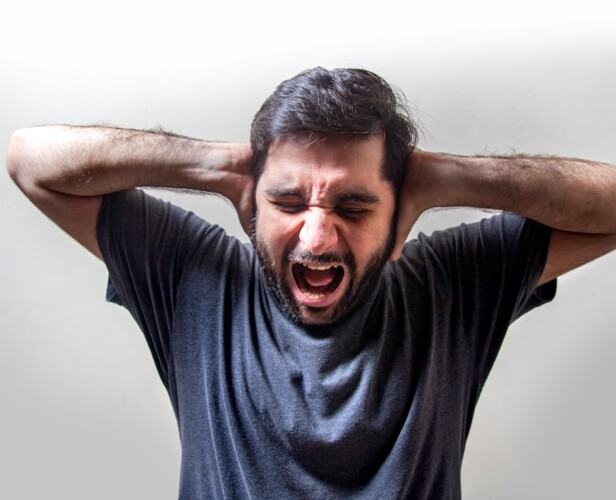
Can you go through weed withdrawal? Yes, individuals who use cannabis regularly may experience withdrawal symptoms upon cessation. Understanding the nature of these symptoms and the process of withdrawal is essential for those considering quitting or reducing their cannabis use.
Understanding Cannabis Withdrawal
Withdrawal from cannabis, commonly referred to as “weed,” occurs when a regular user suddenly stops consuming it. The withdrawal process can vary in intensity and duration based on several factors including the amount and frequency of cannabis use, individual physiology, and previous experiences with substance withdrawal.
What Causes Cannabis Withdrawal?
Cannabis withdrawal arises primarily due to the body’s adaptation to THC (tetrahydrocannabinol), the active compound in cannabis. When THC is consistently introduced into the body, the brain adjusts by altering its neurotransmitter systems. Upon discontinuation, this balance is disrupted, leading to withdrawal symptoms.
Common Withdrawal Symptoms
Individuals may experience various withdrawal symptoms, which can include:
- Sleep disturbances: Insomnia or disrupted sleep patterns are common.
- Anxiety: Increased feelings of anxiety or restlessness may occur.
- Appetite changes: Users often report decreased appetite or cravings for unhealthy foods.
- Irritability: Mood swings and irritability can become pronounced.
- Physical discomfort: This can include headaches, nausea, or gastrointestinal issues.
Duration of Withdrawal Symptoms
The duration of cannabis withdrawal symptoms can last anywhere from a few days to a few weeks. Typically, symptoms peak within the first week and gradually diminish over time. Here’s a general timeline of what to expect:
- Days 1-3: Initial symptoms like irritability and anxiety often start within 24 hours.
- Days 4-7: Withdrawal symptoms typically peak during this period, with heightened mood swings and physical discomfort.
- Week 2 and beyond: Many symptoms begin to subside, although some individuals may still experience lingering effects like anxiety or cravings.
Factors Influencing Withdrawal Experience
The severity and duration of cannabis withdrawal can depend on several key factors:
- Frequency of use: Daily users may experience more intense symptoms compared to occasional users.
- Amount used: Higher doses of THC consumption generally lead to stronger withdrawal symptoms.
- Duration of use: Long-term users are more likely to face severe withdrawal phases.
- Individual physiology: Personal health conditions and genetic predispositions can affect withdrawal experiences.
Managing Weed Withdrawal Symptoms
To alleviate withdrawal symptoms, individuals can consider several strategies:
1. Gradual Reduction
Rather than quitting abruptly, tapering off cannabis use slowly can help reduce the intensity of withdrawal symptoms. For example:
- Reduce usage frequency each week.
- Lower the amount consumed per session.
2. Stay Hydrated and Nourished
Maintaining hydration and proper nutrition can support the body during withdrawal. Focus on:
- Drinking plenty of water.
- Consuming balanced meals rich in vitamins and minerals.
3. Seek Support
Support from friends, family, or professionals can make a significant difference. This might include:
- Joining a support group dedicated to cannabis cessation.
- Consulting a therapist specializing in addiction.
4. Engage in Healthy Activities
Participation in physical activities and hobbies can distract from cravings and improve mood. Consider:
- Exercising regularly.
- Pursuing creative outlets like art or music.
- Practicing mindfulness or meditation.
When to Seek Professional Help
If withdrawal symptoms become too overwhelming or unmanageable, professional help may be necessary. Signs that indicate the need for medical assistance include:
- Severe anxiety or panic attacks.
- Inability to perform daily activities.
- Persistent physical symptoms like vomiting or extreme fatigue.
Conclusion
Yes, you can go through weed withdrawal, and while it can be challenging, understanding what to expect can help ease the process. By preparing for withdrawal and implementing supportive strategies, individuals can successfully navigate this transition. If necessary, don’t hesitate to seek professional help to ensure a smoother journey towards recovery.