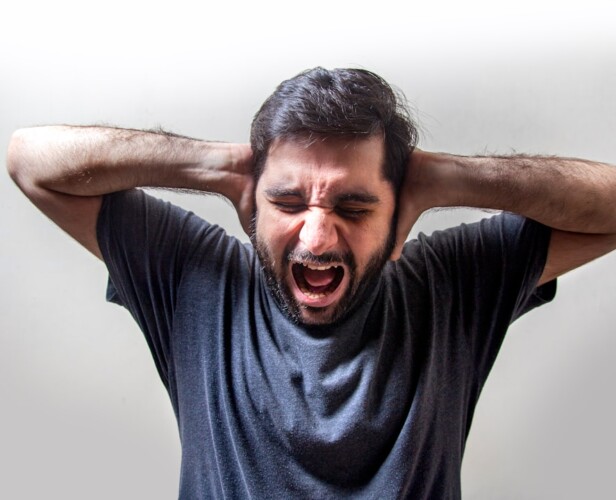
Caffeine withdrawal can indeed cause anxiety. As caffeine affects the central nervous system, its abrupt discontinuation may lead to various psychological and physical symptoms, including increased anxiety levels. Understanding the relationship between caffeine withdrawal and anxiety is crucial for those considering reducing or quitting caffeine consumption.
Understanding Caffeine Withdrawal
Caffeine withdrawal occurs when a person who regularly consumes caffeine suddenly reduces or stops intake. This can lead to a range of symptoms due to the body’s adjustment to functioning without caffeine. The most common symptoms include:
- Headaches
- Fatigue
- Irritability
- Difficulties concentrating
- Nausea
- Depressed mood
The Timeline of Caffeine Withdrawal Symptoms
The onset and duration of caffeine withdrawal symptoms can vary significantly among individuals. Generally, symptoms may begin within 12 to 24 hours after the last dose of caffeine. Here is an outline of the typical timeline:
- 0-12 Hours: Mild headaches and fatigue may begin to surface.
- 1-2 Days: Symptoms peak during this period, where irritability and severe headaches are common.
- 3-7 Days: Anxiety may increase as the body adjusts. Physical symptoms tend to decline.
- 7-14 Days: Most withdrawal symptoms start to diminish significantly.
How Caffeine Withdrawal Triggers Anxiety
Caffeine acts as a stimulant that temporarily enhances alertness and energy levels. It blocks adenosine receptors in the brain, which normally promote sleep and relaxation. When caffeine consumption ceases, the sudden absence can cause a rebound effect, leading to heightened feelings of anxiety.
Physiological Impacts
The physiological reactions to caffeine withdrawal can contribute to anxiety through several mechanisms:
- Hormonal Changes: Caffeine influences cortisol levels. Withdrawal can lead to fluctuations that may increase stress and anxiety responses.
- Neurotransmitter Shifts: Changes in neurotransmitters like dopamine and serotonin during withdrawal can contribute to anxiety symptoms.
- Increased Sensitivity: Without caffeine’s suppressive effects, individuals may become more sensitive to stressors, leading to heightened anxiety.
Identifying Caffeine Withdrawal-Induced Anxiety
Recognizing anxiety specifically related to caffeine withdrawal is essential for effective management. Individuals may experience:
- Restlessness or feelings of uneasiness
- Increased heart rate or palpitations
- Tremors or shaking
- Difficulty sleeping or disrupted sleep patterns
Monitoring these symptoms can help differentiate them from other anxiety disorders, ensuring appropriate interventions.
Assessment Tools for Anxiety During Withdrawal
Utilizing various assessment tools can provide insight into anxiety levels during caffeine withdrawal. Some widely used methods include:
- Self-Reported Questionnaires: Tools such as the Generalized Anxiety Disorder 7-item scale (GAD-7) can help gauge anxiety severity.
- Behavioral Observations: Noting changes in behavior and mood can aid in understanding anxiety triggers during withdrawal.
Managing Anxiety During Caffeine Withdrawal
Implementing effective strategies can alleviate anxiety symptoms during caffeine withdrawal. Here are several recommended approaches:
Gradual Reduction of Caffeine
Instead of stopping caffeine abruptly, gradually tapering off can significantly reduce withdrawal symptoms, including anxiety. Here’s how to do it:
- Reduce daily caffeine intake by 25% each week.
- Replace caffeinated beverages with decaffeinated options or herbal teas.
Stay Hydrated and Maintain Nutrition
Hydration and proper nutrition can support your body during withdrawal. Consider these tips:
- Drink plenty of water to prevent dehydration, which can exacerbate headaches and fatigue.
- Consume a balanced diet rich in fruits, vegetables, whole grains, and lean proteins to stabilize mood.
Incorporate Stress-Relief Techniques
Engaging in activities designed to reduce stress can mitigate anxiety levels. Effective techniques include:
- Meditation: Practicing mindfulness can help center your thoughts and calm your mind.
- Exercise: Regular physical activity releases endorphins, improving mood and reducing anxiety.
Seek Support
Don’t hesitate to seek social or professional support during your withdrawal journey. Connecting with others can provide valuable encouragement and coping strategies.
Consulting Health Professionals
If anxiety symptoms are severe or persist, consulting healthcare professionals is essential. They can offer tailored advice and treatment options, including:
- Cognitive Behavioral Therapy (CBT)
- Medication to manage anxiety symptoms
Conclusion
Caffeine withdrawal can undoubtedly lead to increased anxiety levels due to physiological changes and the absence of caffeine’s stimulating effects. By understanding the symptoms and implementing effective management strategies, individuals can alleviate anxiety during the withdrawal process. If anxiety becomes overwhelming, seeking professional guidance is always recommended for a healthier transition.