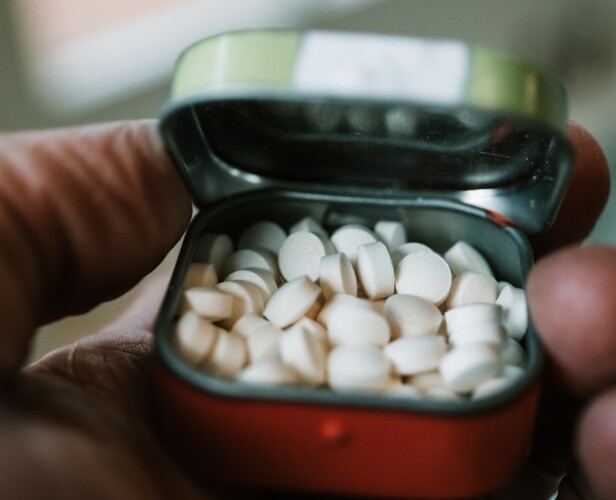
Withdrawal can be a challenging experience for many individuals, whether it’s due to substance use, medication cessation, or lifestyle changes. Understanding how to handle withdrawal effectively is crucial for recovery and well-being. This blog post will delve into practical strategies and techniques to manage withdrawal symptoms, providing you with the tools needed to navigate this difficult process.
Understanding Withdrawal
To effectively manage withdrawal, it is essential to understand what it is. Withdrawal refers to the physical and psychological symptoms that occur when an individual reduces or stops intake of a substance they are dependent on. Symptoms can vary widely depending on the substance and the individual’s history of use.
Types of Withdrawal
- Alcohol Withdrawal: Symptoms include anxiety, tremors, and seizures.
- Opioid Withdrawal: Symptoms may involve nausea, vomiting, and muscle aches.
- Benzodiazepine Withdrawal: Common effects are insomnia, agitation, and increased heart rate.
- Nicotine Withdrawal: Symptoms include irritability, increased appetite, and cravings.
Recognizing Withdrawal Symptoms
Identifying the specific withdrawal symptoms early can help in managing them more effectively. Some common symptoms across various substances include:
- Physical symptoms such as headaches, sweating, and fatigue.
- Psycho-emotional symptoms including anxiety, depression, and mood swings.
- Cognitive symptoms like difficulty concentrating and confusion.
How to Handle Withdrawal
To handle withdrawal effectively, adopting a comprehensive approach can significantly improve your experience. Here are some key strategies:
1. Seek Professional Help
Engaging healthcare professionals is one of the most effective ways to manage withdrawal symptoms. To do so, consider the following:
- Consult with a physician or addiction specialist who understands withdrawal management.
- Explore therapy options, including Cognitive Behavioral Therapy (CBT) or group therapy.
- Consider medically supervised detox programs for severe cases.
2. Develop a Support System
Building a network of support is vital during withdrawal. You can achieve this by:
- Connecting with family and friends who can provide emotional support.
- Attending support groups such as Narcotics Anonymous (NA) or Alcoholics Anonymous (AA).
- Utilizing online forums and communities focused on withdrawal and recovery.
3. Maintain a Healthy Lifestyle
Nurturing your body and mind can significantly ease withdrawal symptoms. Implement these healthy habits:
- Nutrition: Consume a balanced diet rich in fruits, vegetables, whole grains, and lean proteins.
- Hydration: Drink plenty of water to stay hydrated, which helps with physical symptoms.
- Exercise: Engage in regular physical activity to boost endorphins and reduce anxiety.
4. Use Medication Wisely
In some cases, medication may assist in managing withdrawal symptoms. Consider the following options:
- Anti-anxiety medications: These may help alleviate anxiety and panic during withdrawal.
- Antidepressants: May be prescribed for withdrawal-related depressive symptoms.
- Medications for specific addictions: Drugs like methadone or buprenorphine for opioid withdrawal.
Practical Techniques to Cope with Withdrawal Symptoms
Incorporating specific techniques into your daily routine can provide immediate relief from withdrawal symptoms. Here are some effective methods:
1. Mindfulness and Meditation
Practicing mindfulness can help reduce stress and improve emotional regulation. To incorporate mindfulness, you can:
- Practice deep breathing exercises to calm your nervous system.
- Engage in guided meditation apps or sessions.
- Focus on present-moment awareness through activities like yoga.
2. Journaling
Writing down your thoughts and feelings can be therapeutic during withdrawal. Use journaling to:
- Document your withdrawal experiences and emotions.
- Set daily intentions or goals to focus your mind.
- Reflect on positive moments and accomplishments during recovery.
3. Setting a Routine
Establishing a daily routine can provide structure and stability during withdrawal. Consider these steps:
- Create a daily schedule that includes meals, exercise, work, and relaxation.
- Incorporate activities that bring you joy or relaxation, such as hobbies or creative outlets.
- Prioritize sleep hygiene by maintaining a consistent sleep schedule.
Managing Relapse Risks
Handling withdrawal effectively also involves preparing for the potential for relapse. To minimize this risk, take proactive steps:
- Identify triggers that may lead to cravings or relapse, such as social situations or stressors.
- Develop coping strategies, such as calling a friend or practicing breathing exercises when cravings arise.
- Create an action plan for dealing with relapse if it happens, ensuring you seek help immediately.
Conclusion
Handling withdrawal can be a daunting journey, but with the right strategies, support, and resources, it is entirely manageable. By seeking professional help, building a support system, and adopting healthy lifestyle choices, you can navigate this challenging phase successfully. Remember, recovery is a gradual process, and each step you take contributes to your overall well-being.
If you or someone you know is struggling with withdrawal, don’t hesitate to reach out for help. A supportive network and the right tools can make all the difference in reclaiming a healthier, happier life.